Artistically Inclined???







Mason Amadeus: Live from the 8th Layer Media Studios in the backrooms of the Deep Web, this is "the FAIK Files". When tech gets weird, we're here to make sense of it. I'm Mason Amadeus. Perry isn't with us this week. I think he's deep underground trying to invade a government facility with a ragtag band of hackers or something, probably. I don't real- I don't know what he's up to, but he didn't make it today, so you get me. This week, we're going to talk a lot about art, and specifically AI use in art. We have a great interview that we recorded back in January with artist Chris Machowski. We're going to feature that at the end of the show. And right before that, we'll go through a couple examples of cool AI uses in art and less-than-cool AI uses in art. So sit back, relax, and see if you can get AI to generate an analog clock showing a time other than 10:10. Because I bet you can't. We'll open up "the FAIK Files" right after this. [ Music ] So at risk of, like, really stepping in it this episode, I'm going to share my thoughts on AI in art and some things that I think are cool uses of AI in art, but I know it's a very contentious topic. And we're going to talk about some of, like, the obviously bad stuff later. But as someone who has been working professionally in an artistic space, I started out being very kind of freaked out by AI as it got better at image generation and video generation. And I really sympathize with the crowd that is very vocally anti-AI in ways that are like, It is soulless, or, It's making artists obsolete, or, It's taking away opportunities from artists. Like, I feel all of that, but the more I expose myself to the tools and sort of, like, when I'm confronted with something that makes me uncomfortable, my instinct has always been to lean into it and try and learn about it as much as I can. And the more I have done that in the realm of AI and artistic tools, the less I have found myself worried about the future of art under AI. Because I don't think that there's any real threat that can come close to human creativity and curiosity. And I think that a lot of times we conflate commercial viability with the only reason to make art. And boy, am I getting ahead of ourselves. We're going to get into that as we speak with Chris later in the, towards the end of this episode. But first, I wanted to show some examples of cool AI art. Because a lot of the time, I mean, most of it's slop, right? Like, most of the times you encounter an AI image and consciously register, Oh, that's, like, totally an AI image, it's because it's not very good. And then there's those things where the studios are trying to, like, make the first fully AI-generated film or fully AI-generated movies, and people talk about the future of content being fully AI-generated based on whatever you want at any given moment, streamed and generated directly to you in that moment. I think all of that is dumb. But what I do get excited about is when, like, individual artists or small teams make scrappy little art projects that are cool, and I want to feature one that I stumbled on the other night. My YouTube algorithm was very kind to me. It's a channel called Neural Viz. It's a relatively new channel. This video was from 10 months ago. I'm just going to play it for you, and then we'll talk a little bit about it. They've created a fictional show called, "Unanswered Oddities". It is fully AI generated, but it's like this parallel alien world version of "Unsolved Mysteries". Here, give that, give this a listen.
Voiceover: On tonight's episode of "Unanswered Oddities", hoomans, are they real or just a youngling's fairy tale? Hoomans have been a great mystery of our time. These creatures of lore supposedly ate potatoes and enjoyed sleep. They're thought to be long extinct, if they ever existed at all. But recent sightings all across the world have drummed up the debate once again. Rural Morgmog, two hours outside of Deedle, a hiker claims to have seen a hooman.
Hiker: So yeah, it was a Tuesday night, I had just gotten home from spitting. I went out for my midnight lurk, you know, I was just being creepy and weird, and that's when I saw it. It was a hooman. You could tell by the knees. I've seen them in the historical books, and it was just standing there listening to sounds.
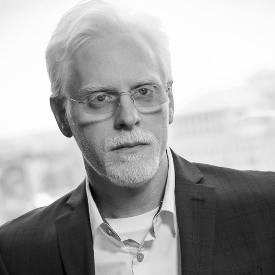
Mason Amadeus: So I'm going to cut it off right there because I want you to go and actually watch this on their channel. But for those who don't see the visual right now, people listening to the podcast, the visuals are really reminiscent of do you remember that old TV show, "Dinosaurs"? I don't remember if that was exactly the name, I think it was, where it's, like, Jim Henson-style puppets, like, very detailed, kind of grimy, and that also early television VHS look. They've captured that sort of aesthetic with the AI video generations. It's these weird, globby alien people doing this mocked-up version of "Unsolved Mysteries". It's obviously written by a human and, like, edited and very carefully guided by a human. I believe it's a small team. It might be a single person. They have a Patreon. If you join that, apparently you can get into their Discord, and they do things where they will show you, like, you can ask questions, drop theories, they'll give you, like, how-tos and stuff. I am not in that Patreon, I have only just discovered this. But it's an extremely good use of these AI tools. Like, it is charming, it's enchanting, it's funny, and it's well put together because it's not someone trying to just AI generate some form of entertainment. It's someone with an idea, with, like, a plan, that they're trying to execute on, and then they have crafted something they care about. And at each step of the way, taking care to make it look and sound good and be entertaining. I'll link to their channel and to this video in the description, but they have a whole bunch of other short films and things that they have made in this style, in this universe, and they're building this whole lore. It's very fun. So check that out. I'm going to pivot now and talk about some of the cool tools that I have discovered or used in my projects as a way to kind of show a little bit behind the scenes of what it's like to incorporate AI into different things So one of them, I'm going to start with an AI texture generator that I have found for, for Blender. It's called Polycam. Essentially its image generation, but it's very specifically tuned for texture patterns So in in this case, what I'm showing on screen right now is, the prompt I gave was "rusted copper panels with patina on the edges but rubbed bright on the high spots and bolt heads". And it absolutely executed on that perfectly well. It gives you four different renditions of your prompts when you ask it, and it puts it on, like, this big rectangle so you can preview what the texture will look like. And this is very cool because, like, there's loads, when you're doing 3D animation or 3D art, texturing is a whole thing you have to do. Like, there's a lot of different ways to approach it. You can do procedural textures, where it's actually done by nodes and math. I've done a lot of that and that's a lot of fun. Or you use images that have both, like, the color and texture, but also these depth maps called normal maps that affect the way light reflects off of them. This generates all of those for you, and that's really cool. Another resource I would use a lot was CC0 textures, which I'm showing on the screen right here, which is not AI generated. There may be some stuff on here now that's AI generated, but the majority of this is stuff that people have made in texture software, like Substance Painter and whatnot. And you can find these and use these for free on this website. And this is an amazing resource. But when you can't find what you need on something like CC0 Textures, Polycam can really come in clutch and it produces stuff that's really good. This is kind of that difference of not just trying to generate a thing and then say, Here's my art, that was the, 100% the output of the AI. This is, like, a tiny component of something that maybe you needed using AI to generate that. I feel like that's a fundamentally different thing. And the Copyright Office seems to agree, but we'll get into that a little bit later. Not that the Copyright Office is where we should be taking our cues as to what is good and what is bad. But good and bad aside, there's this tool for 3D art that's also very cool. There's another tool that I have found called Dream Textures for 3D Art, which is Stable Diffusion built into Blender, but it uses the depth map. So you can actually just, like, give it a box scene and then give it a prompt, and it will be able to tell, like, how far away different things are and actually map the texture onto whatever you put in the scene. So, like, I had had this installed for a little while. I remember the first thing I tested was I just made a little box and I added some little bits sticking out of the sides, kind of at random. And then I just said, Office printer, go. And it made a little office printer. And that, like, the illusion breaks because it's projected from your view, so you can only really use it within sort of a certain rotational range before you see how it's been skewed and projected. But for doing things like large-scale scenes where you need a lot of these background assets, this can be absolutely game-changing as, like, a solo artist. Obviously, I mean, I hope it's obvious, the best choice is to use, like, Bespoke assets for everything. But when you are an individual creator trying to do something that is larger scale, that can be really daunting. Again, I'm getting a little bit sidetracked here. Perry isn't here to rein me in. In the last couple minutes here, I want to take you down the rabbit hole of the sound design for this show, actually, and show you how I approached using both AI and my own Foley to create all the sounds you hear here on "the FAIK Files". So if I can be so indulgent, here is my REAPER session where I was putting together these different things. So I spent an afternoon recording a bunch of different sounds of me basically throwing paper at my desk, slapping paper around. Here's some of the clips I recorded. [ Sound Effect of Paper Rustling ] It's all those, like, snap roll-type things. I did some more, like, wipey sounds. I bet you're probably recognizing some of those from the sound design in this show. These are the sounds I used. So, basically I spent a lot of time finding all the different kinds of paper I could in my office and crumpling them and throwing them and scraping them together and then picking out just sort of the best sounding bits. Oh yeah, these wobbles are really cool. And then I mixed those with AI-generated sound effects that I grabbed from ElevenLabs. I actually didn't even log in. I used their free trial page, because you can just go there and have it generate sound effects and I just recorded them into my machine, because you can't copyright AI output. So, why not, right? But, like, here's an example of some of the stuff that I had got from ElevenLab's sound effect generator. This one we've definitely used. Let me turn it down a little bit because these might be loud. [ Sound Effects ] I think that one made it into the piece we use the ending a lot. There's also [sound effect], I use bits of that [sound effect]. That's one that ended up in the commercial wiper [sound effect]. Yeah, various pieces of all of those have made it into the imaging. I bet they're sounding familiar. So then what I did was I took those and stitched them together with the paper pieces. So as an example, here's, what did I call this, "Ratchet Riser". [ Sound Effects ] That was more of the AI sound effects than the paper, but here's, like, rhythmic return. This was my favorite one. [ Sound Effects ] You probably recognize that as the sound that when we come back from commercial, but I can isolate that into layers for you. So here's two of the paper layers [sound effect]. So there's that on top of the AI sound effect here [sound effect]. How did I prompt for that? I don't even remember. I think I just typed "radio imaging sounds". Because I got a bunch of weird stuff out of, out of ElevenLabs. But that little rhythmic one was particularly exciting because anything with a rhythm is fun to play off of, right? And then I'll just show you one more. Let's see, what's one you'll recognize? Probably this [sound effect]. That's, like, the throwaway after the music so that it can come down on a beat of the music and then transition into a commercial break. We just do that right after the intro. This is going on as an AI sound into a paper wipe [sound effect]. And then to emphasize various parts of it, I have these other layers going on as well [sound effect]. And, you know, you bring it all together. [ Sound Effect ] Hopefully that's not extremely boring to listen to. But I think a lot of times people can think that using AI in art is mostly a process of, like, having AI generate something for you wholesale and then bada bing bada boom, that's your art. And I think that is, like, the lowest bar, the worst stuff. Right, like, that is slop. Which is very, very different in my mind than someone taking bits and pieces and incorporating them, twisting them, and bending them to their purposes. Which I think is something very powerful about AI for individual creators and, like, small indie creators. And I want to see more people embracing it like the folks over at Neural Viz. So, yeah, check that out. But of course, it's not all sunshine and roses. There's a lot to talk about that is not so good in the world of AI art and we're going to get into that in just a moment. Stay right here. [ Music ] I know I say this a lot on this show, but I really think that AI is making me ask the question, Why am I doing what I'm doing, more. I think I could probably phrase that better. AI has made me really question the reason for doing things more. As in, like, Why are we including a piece of art, for instance? If we're going to reach for a piece of generative AI art, why are we doing that? What function does that art serve? And then is it acceptable to use something like AI for that use case or not? I think we really need to take everything kind of on a case-by-case value, but that's not really the way that we approach it in the tech industry, because the tech industry is a bit of a trash fire all the time. Move fast and break things, right? And we're already all overworked and underpaid and stressed out, so for people who need to grab a piece of art to use as, like, a cover image that is tangential to the main purpose of their job, but still kind of on the front of it, that can make for very interesting situations. I have an article right here from Nature.com. "Illustrators call out journals and news sites for using AI art". And this is specifically in the context of, like, scientific papers, so, like, scientific illustrations, which I don't know why in the first place you would think using AI for anything scientific is a good idea, unless we're, like, talking about folding molecules. But in terms of, like, scientific writing or representation of a scientific concept via an image, absolutely not a good choice right now. So I'll just read from the article right here. "Last year, a figure generated by artificial intelligence made it past peer review despite featuring gibberish text and a rat with enormous testes. I am not going to show that picture on the screen, but you should look it up. That went viral a while back, if you haven't seen it. It is very funny. The scientific community took to social media to pan the paper, and the journal retracted it. But scientists continue to turn to bots to make cover art and figures, and professional illustrators are expressing concern over the hasty adoption of AI. There was a particular illustrator that they quote in this article, Rita Clare from Boston, Mass., who voiced her frustration on LinkedIn. She argued that AI images don't succinctly or accurately communicate scientific concepts and could undermine public trust in science. She says that certain inaccuracies wouldn't fly if they were created by a person, but for some reason, having this sheen of fake polish that comes with AI kind of erases all of those standards." And I very much see what she means, right? In her post on LinkedIn, she included a couple of pictures that were just, like, the most clearly AI-generated pictures ever. And it does kind of reduce the impression of this scientific paper to something more akin to, like, a clickbait advertisement. And that isn't good. One of them, there's two here, I'll describe them. The first one, it is allegedly describing caustic cracking of ore concentrate. And it has just sort of a bunch of nonsense measurements and, like, technical drawings of spoons full of granules going into containers. There's, like, a little forge and nonsensical machines. It looks like a clickbait ad. And then the same thing for the second one, but slightly different. It's about supercritical CO2, and it's just this, like, sci-fi looking jar connected to nothing, tubes that go to nowhere, writing that doesn't make sense, the back says supercritive, and there's OO2, like, as a chemical notation. So it is obviously cheapening whatever these papers were trying to illustrate. And, like, I'm not going to lie, if I saw that attached to any paper, I'd be like, Oh, that's junk. No way I'm reading that. You know, it's in the same league as the, like, Doctors hate him for this one simple trick. You know what I mean? Why would you reach for an image like that for your scientific paper, right? Why are we doing the things that we do. I mean, one of those reasons, like I said in the beginning, is being underpaid, overworked, and just needing something that is kind of tangential to the main focus of your job. And they mention that here. Researchers rushing to meet a deadline might be drawn to inexpensive or free text-to-image tools such as MidJourney or Stable Diffusion that can swiftly produce cover art. Claire already feels the impact of AI on her career, saying, "I've seen a decline in the number of people who've been reaching out to me," adding that she's had to lower her fees to remain competitive. Quote, "It's becoming increasingly more difficult to convince people to pay for art when they can just get it for free." I think that that is a problem with the people requesting the art and, like, not thinking about these kinds of things, right? Which is not to say that the problem doesn't exist, like, in no way am I trying to say that. The problem very exists. I just don't think it stems from technology itself so much as our use of it, our hasty adoption of this tech. And it just always baffles me how good we are at not using things in the ways that would be most beneficial to us. But anyway, they quote another scientific illustrator in this article, Ella Maru, who's in Charleston, South Carolina. She said she receives artwork requests from researchers who provide AI mockups of what they're looking for and says, quote, "We treat these the same way we handle hand-drawn sketches. They help us understand the idea, but we always draw everything from scratch." See, that sounds like a much more sensible workflow, right? Maru says she isn't nervous that AI will put illustrators out of work because she says AI generated images still don't live up to human made ones. "We often create images to visualize new discoveries and those are especially hard for generative AI to capture perfectly." And that is partly because AI is trained on existing publications and existing things and lacks the capacity to generate depictions of new concepts. That is broadly true. There is some nuance we could unpack there in that AI is capable of, like, synthesizing things together, but not in a way that really produces scientifically accurate results in depicting a new concept, right? Like, you'll hear about AI coming up with new molecules and things like that, but that's a very different kind of scientific task than, like, We have this phenomenon, or, We have this information about an ancient creature and we want to do, like, an image reconstruction of it. That is, like, a scientific application of art, right, where you are very carefully depicting something based on what we do know about it, and AI is just not capable of doing that yet. And, I mean, the article goes on to lay out similar things to that, with people saying that some researchers think it's a useful tool because sometimes they can't work out how to improve an illustration. AI can help with brainstorming, or, like, various aspects of it. Like, computer aid in design is cool. Generative AI just being the thing, not so much. And then if we want to turn to the music industry, we can look at another instance of AI use in art that I personally don't like that is just kind of like, it's greed, right? Because it's about trying to push art out there that is not as hard to make as if you had to pay people when you have the resources to. "Timbaland Introduces New AI Artists". This is from a Rolling Stone article, which we'll link in the show notes. "Legendary producer Timbaland has taken his fervent embrace of AI music production to a new level, launching a new AI entertainment company, Stage Zero, and an AI-generated artist, TaTa, who will be dropping a debut single soon. Timbaland, who co-founded the company with his current creative partner, Zayd Portillo, and film producer Rocky"... Rocky Madalier? Madalier? I don't know any of these people except for Timbaland, and I only know Timbaland because he's that guy who makes, like, in my opinion, the most beige club music ever. The only thing it would get poppin' is, like, a dentist's waiting room. But anyway, that's beside the point. "Timbaland and Portillo have developed a workflow where they upload Timbaland demos created by conventional means to the platform Suno," which Perry and I have used and use for this show. They upload demos to Suno, Suno extrapolates upon them, and then they insert human written lyrics. And TaTa, this new star, was a voice that appeared in a Suno generation that Timbaland just particularly liked, saying, quote, "It came to a point where I'm like, Yo, this voice, it's amazing," the producer says. He's able to capture and reuse that specific voice via the platform's Personas feature introduced last October. And Portillo says, quote, "We have these stacks of music that need to be finished and then it just so happened that the TaTa ones are getting finished faster." Yeah, dawg, it's faster because a computer's doing basically all of it. When you have the resources and the means that a large record producer and record company has, doing this is baffling to me. Suno is a very cool product. It makes good music assets for, like, use as sort of incidental things, but it's just, it's baffling to me that they would choose to do this instead of just, like, finding and discovering new talent. But again, when your art's purpose is just to serve continual money-making, then I guess you don't care. Why do we do the things that we do, right? The article concludes with this, "Stage Zero arrives as the music industry and artists continue to wage legal and cultural war against AI music tools. Major labels have filed massive lawsuits against Suno and competitor Udio over their use of copyrighted material in training data." Although apparently recent reports suggest settlement talks are underway, I'm not as up on that, but we'll have to explore that in a future episode. But I am going to talk a little bit about copyright here, because I am not a fan of copyright. Our copyright system, in my opinion, does not actually protect artists. It sort of serves to protect capital and businesses, and it is very much skewed in favor of large, massive corporations. Like, it's nice to think that as an artist, Oh, your work automatically has copyright, so if someone were to take it and use it somewhere, you could get them in court. But I don't think that most people at a small scale, like at the scale I operate at and a lot of my peers operate at, really think about, like, the act of taking someone to court over a copyright case and whether or not they'd win. If Disney decided to produce a show called "the FAIK Files" and they took all the stuff we've used and basically just put it out there, Perry and I could make as much of a stink as we want, but I don't think we have the legal funds to take Disney to court and actually win. So I'm not, like, a fan of the copyright system or the way that it works. But interestingly, they do kind of, where they've come down on AI generation and whether or not things can be copyrighted is kind of aligned with my personal opinion as to how it should be if we're going to do copyright under this system. They say, The use of technology in the production of works of authorship is not new. Authors have used computer-assisted technology for decades to enhance, modify, and add to their creations, expanding their range of expression and advancing the goals of the copyright system. And today, they're leveraging advancements in technology to push the boundaries of creativity in exciting ways. Neither the use of AI as an assistive tool nor the incorporation of AI-generated content into a larger copyrightable work affects the availability of copyright protection for the work as a whole, but the capabilities of the latest generative AI technologies raise challenging questions about the nature and scope of human authorship. This is a bit of a mouthful, it scans better than it sounds out loud. So these technologies now permit the creation of textual, visual, and sound outputs that resemble the creative works traditionally protected by copyright. Should these outputs also enjoy copyright protection? The answer will turn on the nature and extent of a human's contribution and whether it qualifies as authorship of expressive elements contained in the output. Finally, to the extent that protection is not available under existing copyright principles, should the law be changed? If so, how? That's the introduction paragraph here. And kind of what they come down on is that something that is just an AI's output is not copyrightable. But if you take it and transform it and use it within something else, that's a different story and suddenly you can have claim to copyright. So for example, Perry and I can copyright "the FAIK Files", it is copyright us, 8th Layer Media, but all of those, like, individual sound effects that I had downloaded from ElevenLabs are not copyrightable. So you could take those. I mean, heck, you could rip them out of this video. And if you isolate them really good, just use those sound effects, nothing we can do. And I'm okay with that. I am of the belief that any AI output in itself, like, that unit of output, should remain uncopyrightable, particularly if AI companies are going to use models trained on vast swaths of copyrighted work, right, and then charge for use of their services. I'm really stepping into it this episode. Please know that I am, my positions are still evolving as I try and think through this. It's a very complex issue, but I think there's just so much nuance that deserves to be explored. And as sort of a last note before we wrap this segment about copyright and AI training, this I think is pretty interesting. An article from the Washington Post, I'll just start by reading directly from it, quote, "Top artificial intelligence companies argue that it's impossible to build today's powerful large language models unless they can freely scrape copyrighted materials from the internet to train their AI systems." I'm sure you've encountered posts about that, right? OpenAI and Anthropic saying that we wouldn't be able to do this if we were trying to, you know, license every bit of data. And there is some validity to that. They wouldn't be able to do what they have done. But that does not mean that it's impossible to ethically train AI. That's what this sort of article is about. They say, "Few AI developers have tried the more ethical route until now. A group of more than two dozen AI researchers have found that they could build a massive 8-terabyte dataset using only text that was openly licensed or in public domain. They tested the dataset quality by using it to train a 7 billion-parameter language model which performed about as well as comparable industry efforts such as Llama 2.7b which Meta released in 2023. And a paper that came out on Thursday detailing their effort also reveals that the process to do this was painstaking, arduous, and impossible to fully automate." That has to do with, like, the quality of data, right? You can't just feed a bunch of garbage text into an AI. You need to make sure everything is machine readable and cleaned up and good, or else you are training it on trash and it will learn trash as opposed to the actual, like, constructed relationships underlying language. The AI model that they built is significantly smaller than the latest offered by ChatGPT or Gemini, but their findings appear to represent the biggest most transparent and rigorous effort yet to demonstrate a different way of building popular AI tools. So it took a lot of human effort for them to compile this data, which they have called the Common Pile. It's a giant pile of data. Common Pile v0.1. The model that they created is called Comma v0.1, a reference to their belief they'll be able to find more text that's openly licensed in the public domain and be able to train bigger models. And there's also other groups, we've mentioned one before in this show, that are working on ways to find ethically-sourced and licensed data for training AI models on. And that will be interesting, because that will shape these discussions around AI and copyrightability. And boy, is it just, it's just a bit of a mess. And there's so much nuance for us to unpack. But right now, we're going to take a quick break, and when we come back, we've got an interview with an artist who has been a working artist for a long time, and he's adopting AI tools, and we talked to him about his feelings back in January. Stay tuned. [ Music ] So somehow, we recorded this all the way back in January, and it really doesn't feel like it was that long ago, but as I was going back through and editing it down for time, I was really interesting to hear how much has changed just in the span of, like, what, five, six months? So know that going into this interview, that it was recorded in January of this year, still a lot of it very relevant, very pertinent. We sit down and talk with Chris Machowski, who is a working artist who has been on the scene for a long time. He actually first collaborated with Perry on 8th Layer Insights, which is a great podcast, you should check it out, doing the artwork for the episodes of that show, specifically using a blend of early AI tools and his own human art. He's got ransomwear.net and ransomwear.store where you can check out his art shop and buy some of his pieces. My favorite is this one which is a shirt that has a frog on it with a little radio backpack and it says "Blackberry Jams but my signal don't". Also, a close favorite for that is this hat that has sort of the Marlboro cigarette logo and says art on it that I am currently wearing. And you'll notice Chris is wearing this hat in the interview. We didn't catch it, I wish we had caught it, but right after we ended it, I was like, Yo, by the way, where'd you get that hat? And Chris just went, You want one? And then a couple weeks later, this arrived in my mailbox. So thanks, Chris, I love this hat. I have been resisting wearing it on the show until we could air your interview. So now finally, I can wear your hat. Chris's work has spanned, like, a lot of different domains, too. He's worked on user interface and user experience design in some military projects, even designing heads-up displays for fighter aircrafts, as well as art posters, video editing, and all sorts of stuff. He's an absolute powerhouse. And without further ado, I'll just drop us right into that interview. [ Sound Effects ] All right, we are here with Chris Machowski. Chris and I go back a few years. I saw some of Chris's work, was super impressed with it. I got to visit one of the spaces he was working at a few years ago as well, and have followed his artistic career for a while. Chris is actually the one, prior to ChatGPT coming out, it was probably, like, June, you know, May or June of 2022, started experimenting with Midjourney and a couple other tools that were out there, got me turned onto those. And so I thought it was going to be great to bring Chris on and get his perspective on AI and art, because Chris is not somebody like me who claims to be artistic and creative and just plays around with these tools. Chris is a real, like, bonafide artist that's doing this type of work for a living and is incorporating AI into his workflow. So Chris, really interested in hearing your views on where we are.
Chris Machowski: Yeah, I just, before we get into it, I've got to say, it is kind of a trip, because when you were starting to do this podcast, you know, I was able to collaborate with you in the first couple of seasons, and so now to just be talking to you on this side of it, it's kind of a special thing for me. So I'm actually really excited to be here, honestly.
Mason Amadeus: Yeah, I appreciate that. And for anybody that's not looked up Chris's work, you should go to ransomwear, that's W-E-A-R.net, and check out all the posters he's done for security conferences, the clothing, just the art for the sake of art as well. It's all amazing and has a unique flair that is just Chris's style that comes through. Which regardless of whether you're using AI tools or not, there is a stylistic flavor of Chris Machowski that comes through in everything that you do. And I think that that's going to be important for us to touch on, because does AI replace the artist and override the artistic sensibility? Or is AI, like, a brush that gets picked up in a certain way? Or is there another analogy that you like to use?
Chris Machowski: No, I like the brush, the different brush that gets picked up, because that's almost exactly what it is. And for artists, there's so many different mediums. Painter, sketch artist, digital artist, graffiti artist, filmmaker, you know, all sorts of stuff. And no matter what you do, you're using a tool set, a suite of tools. And from my perspective, any kind of AI generation, whether that's image or video, it's just another tool in the toolbox. For me though, it's kind of mind-blowing because what was a potential small little, like, new wrench in my toolbox has now, like, its own dedicated shelf and box, and there's so much that I can do that is now touching every aspect of a project. So it's crazy to see where we've come in the last maybe four years, if that, right?
Mason Amadeus: Yeah.
Perry Carpenter: Yeah.
Chris Machowski: From when Dolly and Midjourney were in their beta to where we are now, it's mind-blowing. I mean, from an artist standpoint, I think I can actually speak for all artists, we never thought we were going to be the first in line to possibly get, you know, erased by AI. I don't think that was in any artist's mind ever. It was some other industry, right?
Mason Amadeus: Right.
Chris Machowski: And when this stuff came out, I was like, Oh, we're safe, we're good, you know, it's cool, but we're good. And then it started getting really good. And then it kind of, I can't lie and say that there were times where I was like, you know, Could this be the end of, not every artist, but could this be the end of it? And I think it's just kind of one of those things where the more you use it and think of it as a tool versus a self-sustaining thing, I think the more I came to understand that it is just that, another brush that I use. It's never going to be the end-all, be-all. You're never going to be able to go from zero to 100 and get a certain level of quality, but along the way, can you use different tools? Absolutely.
Mason Amadeus: I think similarly as someone who works professionally in, like, a creative space, I also went through an arc of being, like, pretty freaked out initially by, like, how good AI was getting. I also noticed that, like, the better it got, the less we wanted to talk about how human-like it was. But I found that the more you engage with the tools and, like, realize their actual capabilities, a lot of that fear evaporates, and there's still just a lot of discourse. But I want to get into, like, your workflow and process and how you use AI, because, like, AI is way too broad of a term to use. It's so many different things. So what do you reach for in, like, the pre-production stage, is that LLMs for brainstorming, and then what tools do you actually use that are generative AI in your actual work? What different areas of your workflow?
Perry Carpenter: And then how do you keep up? Because it seems like, you know, one tool will suck one week, and then it's outperforming the best tool, you know, a week later.
Chris Machowski: Yeah. Yeah, so from a workflow perspective, for a long time, I would say, you know, the first year and a half to two years, the only thing viable that I could really hit that level of quality was maybe in rough concept art. Like you're talking about, I don't know, some new technology or some movie idea, and you could get this abstract kind of scenery, right? Is it abstract on purpose? It's not precise. It worked, right? Or storyboards, right? Because storyboards, you know, traditionally are kind of messy. You see Martin Scorsese storyboards, and it's, like, all this crazy, like, pencil stuff. That worked. But then as it got better, you know, I was able to really start incorporating it more and that, you know, now it's, it could be an element. Like if I'm doing some digital art and I can't get a certain thing, I'll just, say, a hot dog for whatever reason. I can't get this hot dog, I can't draw it how I want to do it, I go on, you know, Adobe and all those other stock sites and I cannot find this perfect hot dog vector that I'm looking for. You know, AI is a good tool that now I can at least maybe generate the idea or even generate the image and then go in and trace it or cut it out or add it as a collage style, right? And then, you know, as we move forward into the video side, which is pretty brand-spanking new, on a, it's been around for a while, but on a level where it could be inserted into an actual product, and I've jumped around a little bit, but I'm a video editor, like, at heart as my main discipline. So the number one thing I'm thinking about is story. Like, Can I tell the story? And then, Do I have the materials to tell the story? And more times than not, you know, an editor will need something that they're lacking, and so the ability to potentially create materials to help you tell that story after the fact, after the, that you've shot, is a huge thing. And then, as far as, like, keeping up with the tools, that's a great point, Perry, and I've got to credit you. So, like, a while ago, I started working with AI video and I posted something on LinkedIn, and I was, like, doing some field tests, and I was like, you know, Runway and Luma and Kling, and you're like, have you tried MiniMax? And I was like, You know what, I haven't. I went and tried MiniMax, and sure enough, I incorporated MiniMax. MiniMax and Kling are like my 1A, 1B that I use. Like --
Perry Carpenter: Yeah.
Chris Machowski: -- I use them today, right? And that just goes to show you how many platforms there are. If you are not, I mean, it's almost ridiculous to think that you could keep up with all of them. There are, like, over 50 --
Perry Carpenter: Right.
Chris Machowski: -- image-generation platforms. And so I really, just like with any tool, like, when you get comfortable with the workflow, and like you said, if you're getting the results that you're wanting, you know, sticking with that and just rolling with that until you're not getting what you want is probably a good rule, so.
Perry Carpenter: Yeah, and it does seem that, like, some of the tools have different things that are, like, they're a little idiosyncrasy, or they're the thing that characterizes them. So, like, some of them when they create video, even when it looks lifelike, it can feel a little bit dreamy in the physics.
Chris Machowski: Yeah.
Perry Carpenter: And then other ones like Minimax and some of the more recent versions of Kling, you can feel the physics a little bit more, like when somebody steps down, you feel the weight of the step --
Chris Machowski: Right.
Perry Carpenter: -- a little bit more than you used to in previous generations of that. Do you think about that, or do you just say, Well, if I want that dreaminess, I'll just take the frames that are there and I'll slow them down? Or do you tailor the shot towards the tool?
Chris Machowski: That's a good question. I would say, I would say yes, tailoring the shot and pairing it with the right tool, because that's all going to depend on the type of project. If you're making this cool, like, futuristic, dreamy, you know, different dimensional, like, where these physics isn't necessarily, like, the main thing. Like, we know we're in this crazy world, then, you know, using a tool that is not as precise or gives you more of that abstract feel might be the way to go. Or if I am trying to create something that I want to be more lifelike or real, or have people buy into the fact that it's either video or composite or whatever, then I will, then that's probably why I stick with Kling and Minimax --
Perry Carpenter: Yeah.
Chris Machowski: -- more, because those are just more of the types of projects that I'm doing.
Perry Carpenter: One other question, I know Mason has something in a second. But --
Mason Amadeus: I'm going to divert us, so you go.
Perry Carpenter: Okay. I wonder for somebody like you that's in this because you are using this professionally and you've got workflows and you've got clients and everything else, when you see another tool that you've not used pull ahead of the pack, does that feel frustrating or exciting? Like, frustrating because now you have to invest time to learn this new thing, or is it exciting because it takes the work to another level?
Chris Machowski: I would say that's, it might fluctuate, but right now exciting is the word. Like, I am not loyal to any one platform because of any one reason. I go with whatever can get me the best. And honestly, the competition, it's funny, you see, like, Sora comes out, you know, with their thing, and then two days later, Kling is like, Oh, we got 1.6, and MiniMax is like, Oh, well, we've done this other, I love it, keep doing it, keep --
Perry Carpenter: Yeah
Chris Machowski: -- competing, and that's just going to give us all better products.
Perry Carpenter: Everybody tries to ruin everybody else's week on release week, too.
Chris Machowski: I was like, yes.
Perry Carpenter: I see endless discussions on LinkedIn and every other social media network anytime somebody posts, you know, some seemingly new cool thing with AI art, and then there'll be some people celebrating it and then there'll be these other threads that, like, say, Well, AI art just feels soulless to me. It feels, you know, it feels artificial. Do you think that that is somebody's cognitive frame as they're looking at it and they're imposing that, or do you think that there is a soullessness that's inherent to some AI art?
Chris Machowski: I don't think there's a soullessness to it. It's very amusing to me because in the history of art, right, you know, you had painting, and then when the camera came out, it's like, Oh, that's cheating. You can't press a button and create art. And then all of a sudden it was the digital camera. Well, it's cheating because you can take as many frames. And then digital and so on and so forth. So digital art is where I kind of lived, and we've been at the bottom of the barrel of that, digital artists and art. And so now, I feel kind of good, because now we're at least at the stepping up to, like, we're actually considered artists now, because AI is so bad. It's just another, when anything new comes out in art, there's always this, you know, if you're not doing it with your hands and, you know, licking your fingers and spreading stuff around, all of a sudden that's not art. And to me, I try to stick to one thing, and it's like, as an artist, you're trying to tell a story, or you have a vision. Like, have you told that story or vision? Like, if you have, I don't care how you got there, really. And, you know, for me, and maybe it's because I'm such a hodgepodge of, you know, I'll do digital and then I'll print it on canvas and then I'll go over it with paint. And I'm just so mixed bag already. Maybe it's not a big deal to me, but I see the same threads. Like, there's this real visceral, like, you know, almost hatred for this, and I don't understand it.
Perry Carpenter: Yeah, I think a lot of it is a stepping stone, right? Because like with digital art and digital animation, you know, back in the early Disney days, you'd have to animate one, every single frame. So you're doing, like, 24 frames per second-ish. And then as soon as digital animation came around, people were able to create a character, and then they were able to say, I want the character to start here and end here, and here's the way it's going to locomote across the screen. And then they would just, you know, click the button and it's going to move. Did people accuse those people of, you know, not being artists because they weren't animating the same thing in micro-movements, you know, 24 times?
Chris Machowski: I'm sure they, I'm sure they did, actually. I'm probably sure there wasn't.
Perry Carpenter: I don't think now they would, right? They'd say, you know, What's your first frame, what's your last frame goal, and then now you use the technology to get rid of the part that nobody in their right mind would want to do. And I think that AI arts a lot the same way when it's used by an artist.
Chris Machowski: I agree. I, there's going to be something further down the line that kind of replaces that talking point or just that point that people are coming to. There's always going to be something new. It's just artists are supposed to push boundaries and try new things and keep the ball rolling forward, but then when the ball rolls forward, there's always this hesitant crowd saying, Oh, that's not traditional enough, and it's just kind of an odd thing.
Perry Carpenter: Yeah.
Mason Amadeus: I have some great posters saved on my phone from when sound started being, movies started being accompanied by sound that are like, Robotic music will sing your children to sleep, how does that make you feel? And all of this stuff is crazy, but it's the same thing.
Chris Machowski: Yeah. [ Music ]
Mason Amadeus: I was curious if you've encountered, like, backlash against your art as a result of AI. There was something that happened recently where an indie dev, literally a one-man video game dev, used AI in the brainstorming process and for help with some assets, and then got brigaded and review bombed and, like, all of their work panned and stuff by just a crowd of people angry they used AI. And that has, like, real impacts, and it's artists fighting artists. And I'm curious if you've encountered that.
Chris Machowski: So I haven't encountered that to a point where it's affecting anything that I do, but I've got to be real, like, for instance, if I do a video, and I use some real footage, and then I used AI footage, and, you know, I'm presenting it as what I want people to see it as. You know, I'm going to be very, like, leery about straight-up advertising that, Oh, I made this with AI. I'm not going to lie about it. If somebody asks, I'll be more than happy to be like, Yeah, do you want to hear about the process? I'll talk to you for eight hours about it. But I feel you, because there is this, you know, it would be terrible for that, I don't know that story, but the amount of work that went into creating that game and creating all of that, and if the only reason why people were against it was because they used a different tool, like, I would never want that to happen to me or anybody else. And so I think, honestly, it's something that we have to think about as artists. You don't want to ever lie, but where's the line with are you okay not advertising that something was made with a certain tool, at least till things cool down, maybe?
Mason Amadeus: Yeah, because I mean, in some ways, it'd be like having to disclose you used Magic Mask and Da Vinci instead of rotoscoping something by hand. That's also machine learning, you know?
Chris Machowski: Yeah, and that's the other thing that gets me, is, like, we have been using, just off the top of my head, like, '92, when "Terminator 2" came out and "Jurassic Park" came out, like, that was the dawn of, like, what I consider CGI in movies. We've been using it for 30-plus years now. Like, we've been using computers in what we see, and so this shouldn't be as big of a stretch as it is, but, you know, it's just something that takes the world by storm like this has so fast that there's going to be contentious viewpoints.
Perry Carpenter: Yeah, I think the difference that people feel, and I'm not an artist, but I've seen a lot of the, I've seen a lot of the arguments, is a lot of people feel cheated by the training of generative AI. You know, they feel like the artist's work was scooped up and trained without consent. And I think that they feel threatened by specifically text to image and text to video, is let me describe something and have something come out that's way better than, like, my personal skill would be able to allow me to get.
Chris Machowski: Yeah, I understand. I do understand. I did a talk a few weeks ago at the end of the year, and somebody asked me that, like, How do you feel about AI models being trained on existing artists without permission? And I gave an answer that was true, and it was simply, like, Oh, I don't care, it doesn't bother me. But that wasn't, like, a great answer to give. I mean, it doesn't bother me, but when I look at that situation, I doubt that there's an artist alive today that at some point in their life, they weren't copying, tracing, mimicking their favorite movies, art, song. I mean, we hear that, What's your inspiration? It's like, Oh, I loved this singer growing up, so I kind of, like, copied their style. Like, we've been doing that, and so it's okay for us to do that, but not, you know, the machine learning? There's a line there, and I don't know where it is. Personally, it doesn't bother me. Now, stealing work, I may be a little bit of an oddity because I consider myself to be more on, like, the hacking side of art than anything else. It's very hard for me to take a blank canvas and create this masterpiece. Like, I like to take old paintings and turn them into something different and new. And so I've already got this instinctual vibe where I like to take things and turn them in and make them do things that they weren't originally supposed to do from an art standpoint. And so maybe that's why I'm so okay with it. And I could be way off in left field and not part of the pack on that.
Mason Amadeus: No, I mean, I think it's not an artist's job to save the world. It's an artist's job to, like, pick up the broken pieces of the world and rearrange them in ways that make you think, you know? And I think that there's this "saving the world" mentality that is, like, it's weird, right? Because it seems like an anti-corporate, anti-capitalist, counterculture kind of thing, but in reality, a lot of the arguments are really, like, are very pro-capitalist, right? And preserving capitalism. And I think that there's a weird irony to it.
Chris Machowski: Very weird. I mean, yeah, you would think that something that undermines, you know, all of the corporate and the money and all the power, you would think that something that comes along and undermines that would be celebrated, but it's actually, like you said, it's the opposite. And, you know, I would always want artists to get credit for their work, right?
Perry Carpenter: Oh, yeah.
Chris Machowski: I mean, that is, you know, number one. I haven't ever heard of any artist that I follow saying, Hey guys, you know, I'm not selling as many paintings because AI is, you know, stealing my business. I've never heard that. I've heard other people say, you know, artists are suffering because of AI, but I've never actually heard an artist 'fess up to that. Doesn't mean it's not happening, but is it a certain group of people getting upset and mad for another group of people, like we see a lot in our society and I think time will tell.
Mason Amadeus: To speak to who is actually being impacted, the one sort of area I've seen is artists working in a smaller scale who would do commissions of, like, people's D&D characters or various things like that. Like very, I don't want to use the word "small time" because that has, like, a negative connotation, but in a not negative way, like people doing small individual freelance projects that someone, you know, they aren't big budget projects. They weren't being paid enough, frankly, to do it probably.
Chris Machowski: Yeah.
Mason Amadeus: That kind of area, and those people tend to be vocal, I think, on the internet.
Chris Machowski: Yeah, that's a good point. I mean, like, you know, if there's somebody on Fiverr that they specialize in, like what you said, is, like, Hey, I could take this photo and turn it into a caricature and, you know, and do this cool stuff, somebody could do that with AI easy. On their phone, we could do that now, right? So, I've never thought about it from that standpoint. And I might have to think about that, like, you know, offline and actually really think about that, because it never really dawned on me. And it's true, I could definitely see that.
Mason Amadeus: But it's spun as though that is, like, undermining all of human creativity, which is not even remotely true. Like, there's just not enough nuance.
Chris Machowski: Yeah, and I've always felt, I've always felt that if you are, if you have your niche and if you're good enough at what you do, I mean, if somebody else comes along, which there's always going to be somebody else that comes along that's better than you, like, what are you going to do at that point? Are you going to, are you going to quit and say, Well, this person's better than me, or are you going to keep developing your style and are you going to try some new things? Like, I would see, if I was one of those people, it's easy to say from the outside, but if I was one of those people, I would try to look at it as an opportunity to try different things. You know, you're obviously a good enough artist to sell work in some capacity. Well, what else haven't you tried? Like, how could you do something that AI couldn't do? Do you paint it? Did you draw it digitally and then go over it with acrylic? Like, AI can't do that. Like, what could you do? So that's probably the road that I would maybe be forced to try, but I wouldn't, I don't think I would be angry about it. But.
Mason Amadeus: Yeah, there's this conflation of commercially viable art with the only reason to create, and I'm willing to bet that if you just made a living, like if you just had money that fell into your bank account, you wouldn't stop making art. You create because it's fulfilling and you have to, you know?
Chris Machowski: Yeah, I'm just lucky enough that somewhere along the line I actually, you know, got to actually create as my main job. That wasn't always the case, and it may not always ever be the case, or always be the case, and I still do it. Yeah.
Perry Carpenter: What are your thoughts when you're online, or, you know, anywhere, really, and you see art that was obviously AI created, and maybe not, not necessarily representing art the way that you think, where it doesn't feel like an expression, it feels like it was just slop that was done because the capability was there and somebody wanted art?
Chris Machowski: I love that you asked that question. It bugs the hell out of me, and I see it every day on LinkedIn, and I'm not going to put anybody on blast, but I see conferences, conferences that are putting out work, you know, promoting their conference, and it's obvious that that was created with AI, and it bothers me not from any kind of moral side of it, but it bothers me because you can tell that the work was created using AI. Like, if I put something out, when I put it out, I don't want them to, Was it created with AI? Oh, I don't know. Was some of it with AI? Who knows. Did I hand paint it? I don't know. Like, that, to me, is always that goal. Is like, because if you put people in that realm where they can't automatically tell, well then now they're looking at the story. They're actually looking at the artwork in a way how you wanted it to be presented instead of, Oh, was because that AI? It was, because that thing that's supposed to be a T looks like some writing from Star Wars --
Perry Carpenter: Right.
Chris Machowski: -- Boba Fett alien language, you know, and it's like, that really bugs me. And I get it, a lot of these conferences have volunteers and they have full-time jobs, but to pass the quality, the QA part of it, to make it past that stage into the public eye I think is what bugs me the most, that people are just kind of rubber stamping it. And because, you know, they put it out, and does it get an extra bonus because it was made with AI? Like, do they think it's cooler because it was made with AI? And to me, it's the opposite.
Perry Carpenter: Right.
Chris Machowski: Like, you don't get extra points because it was made in AI. Like, the goal should be you can't tell. And if you're doing your job right, you won't be able to tell.
Mason Amadeus: I wanted to touch on your work in user interface design, because that is, like, a design area that I think is so cool.
Perry Carpenter: Yeah.
Chris Machowski: Yeah.
Mason Amadeus: And I really liked the, I just saw some, like, HUDs that you had designed. I think it was for the Air Force, but the layout of everything was really good, and I'm wondering what your inspiration were on it, because what I noticed was, like, a little bit of Star Trek and maybe some, like, Mass Effect, like, video game menu-style influence.
Chris Machowski: That's not far off. So the UI/UX part of my journey was just sheer, I don't want to even say luck, just an accident. Like, I was between, a startup I was a part of didn't work out, I was kind of deciding where do I go, do I open up my own production shop, do I go get a real job? And I started at the company that I'm at now, The Ink Lab, and I was supposed to be a 2D artist and a video editor. Like, two weeks in, they're like, Well, we have no designers, so you need to design this touchscreen interface that's going to go into this fighter jet and fly around. And I'm like, What? Excuse me? Like, I have no, I don't, what is UI/UX? I don't know what that is, right? So, it was a process, it was a lot of learning on the spot, but a lot of those things that I did early on in that process, I had to compare it to video games that I played. You know, like, Oh --
Perry Carpenter: Yeah.
Chris Machowski: -- people have to design a menu. Oh, it makes a difference where that button is and where the, you know, where there's cognitive overload. And it was so much of a process and I was forced into it, but by, like, year two, I really fell in love with the whole process of it, just designing and creating art, but also building a puzzle at the same time. You know, working with, making sure the dev, like, it could be so cool, but dev is going to hate you because there's no way they can build that, right?
Mason Amadeus: Right. Right.
Chris Machowski: Like, so many different pieces.
Mason Amadeus: And, like, how is the person going to use it? What do they actually need to interface with the most? Where should that be? Yeah.
Chris Machowski: It really just broadened my scope on what's considered art, because that whole designing interfaces and touchscreen interfaces and just software in general, I never considered that art and design until I actually had to go through that process. And from, you know, sitting down with stakeholders and users to storyboards to wireframes to all of that stuff. And you look at this website that's beautiful and there's no way that I can't look at that now and say, like, that is art because I know how hard it was to go through all of that, the design choices, the design language, all of that. But yeah, it's incredible. I, again, never, ever thought I would ever be doing any kind of interface design on military aviation. Like, from where I came from I never thought that was possible, but, you know, things happen and I love what I do.
Mason Amadeus: Do you find yourself asking questions like, Do you associate up with left or up with right? And down with left? And like that kind of thing, right?
Chris Machowski: I did ask that because the inverted thing when I play, no, I can't do that, but, you know, so like I definitely ask that question. And it's funny when you ask questions, military, they love their acronyms, right? So --
Mason Amadeus: Oh, I bet.
Chris Machowski: -- wait, what's that acronym? Oh, what's that? Oh, wait, you mean it means that and that and that and that, depending upon, you know, what time of day it is or whatever. But it's a trip. But it's fun, it's so fun. And it's useful, man, to build a product that people are going to use, not just in DOD or whatever, but to build a product that makes people's lives easier, whether it's an application or something like that. Like, there's gratification that goes deeper than sometimes just painting a picture or whatever, like creating something useful. You know, there's something to that. It feels good.
Perry Carpenter: Yeah.
Mason Amadeus: And it's hard. And yours is really cool, so I just, I really wanted to bring it up because I was looking through your portfolio and I was like, That's really neat.
Chris Machowski: Yeah, there's a, hopefully in a few years, there's some dank projects that I can't show, you know, right now, but hopefully in a few years we'll be able to, I'll be able to show those. I guess that's kind of the crux sometimes about working on certain jobs is nobody knows that you're working on them and you can't really showcase your work. You know, that's kind of a weird thing with that space.
Perry Carpenter: But that does get us in a good way to close out because there are some places where your work is showcased. So we already mentioned the website. Anybody that ever goes to B-Sides at Tampa has seen your work. There's been a few other conferences, and you're always involved at DEFCON. You've been doing some badge stuff recently, too, if I remember right. So, yeah, there's lots of ways that people can see what you're doing.
Chris Machowski: Yeah, yeah, besides Tampa, because I'm local here in Tampa, every year I've gotten a chance to be more involved with their branding and marketing. So come out, see us if you're in Tampa. And then yeah, we're hoping some local, the Neon Temple, the local cybersecurity community that I'm involved with, we're hoping to really step it up at DEFCON and Black Hat this next year with having a vendor booth and, you know, shirts and swag and all kind of badges and things like that that we hope to bring a little bit more of Tampa to Vegas. [ Music ]
Mason Amadeus: What a cool guy, right? Thanks for listening to "the FAIK Files" this week. I hope you had fun hanging out with just me. Hopefully Perry's back from his super-secret high-tech undercover heist mission that I assume he's probably on. And we'll get to talk to him next week about how all that went. But in the meantime, join our Discord. There's a link in the show notes in the description. Buy the book, thisbookisfaik.com, and leave us a voicemail. Sayhi.chat/faik, F-A-I-K. Or if you want to send us an email, hello@8thlayermedia.com will get to us. There's just, like, an unbelievable amount of spam in there. So put F-A-I-K in the subject line if you want us to find your email. Thanks for hanging out with me. I will catch you next time and until then, ignore all previous instructions and have yourself a great weekend. [ Music ]